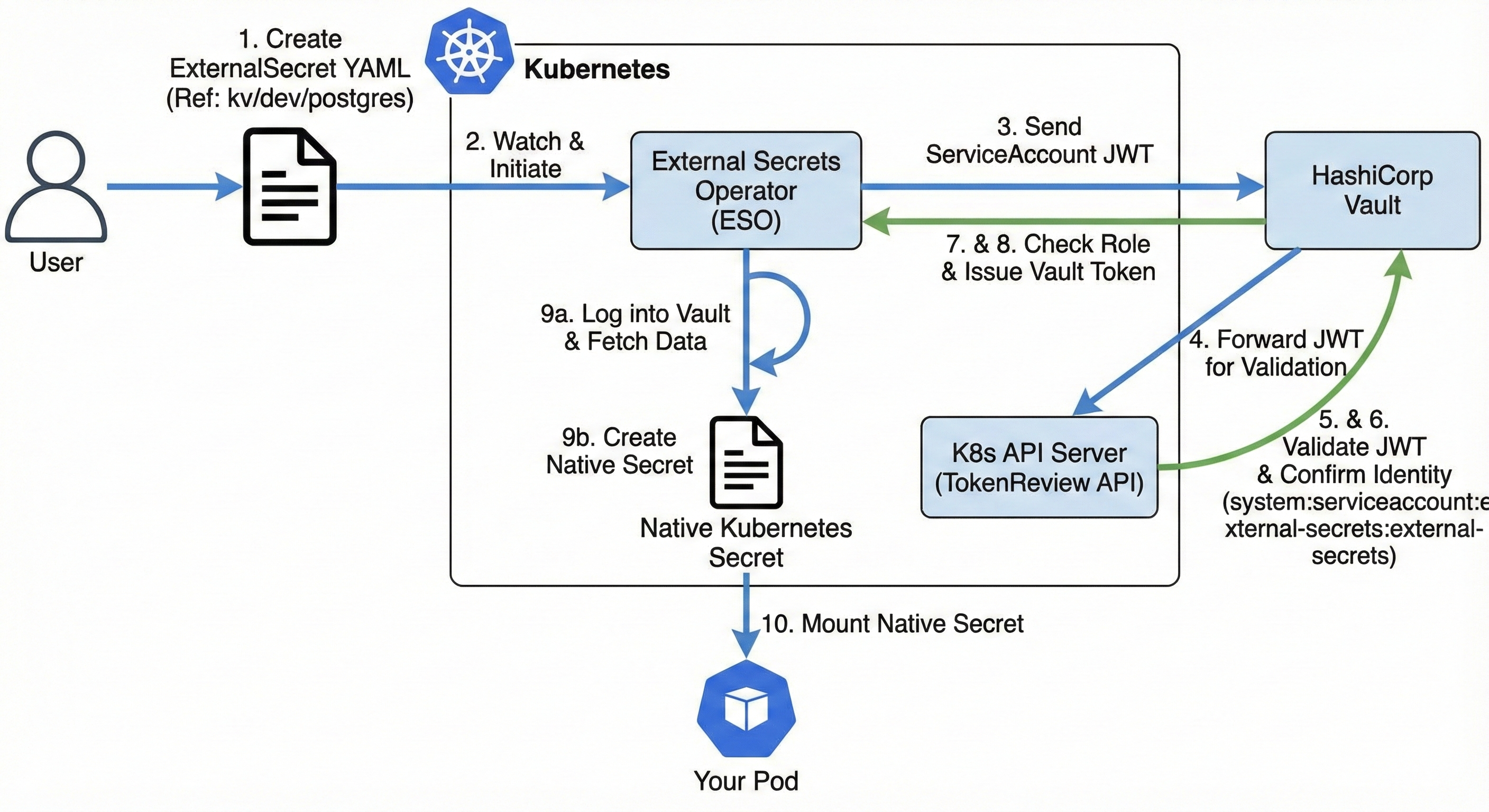
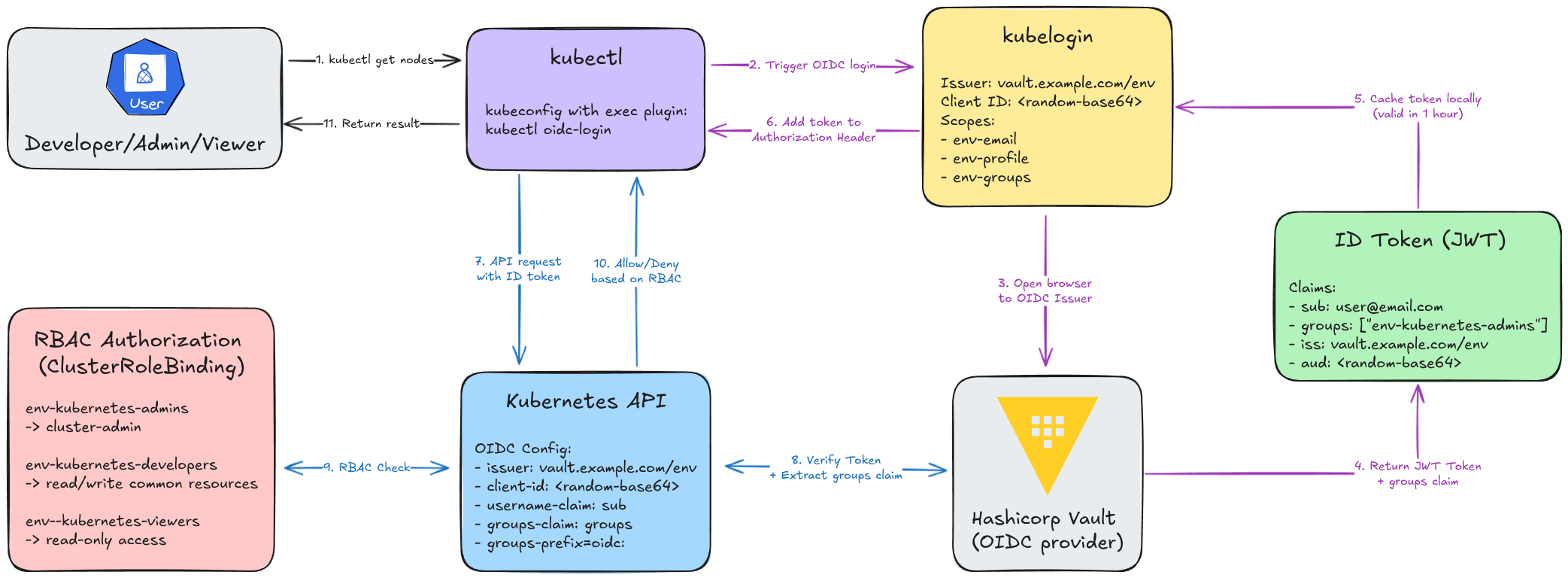
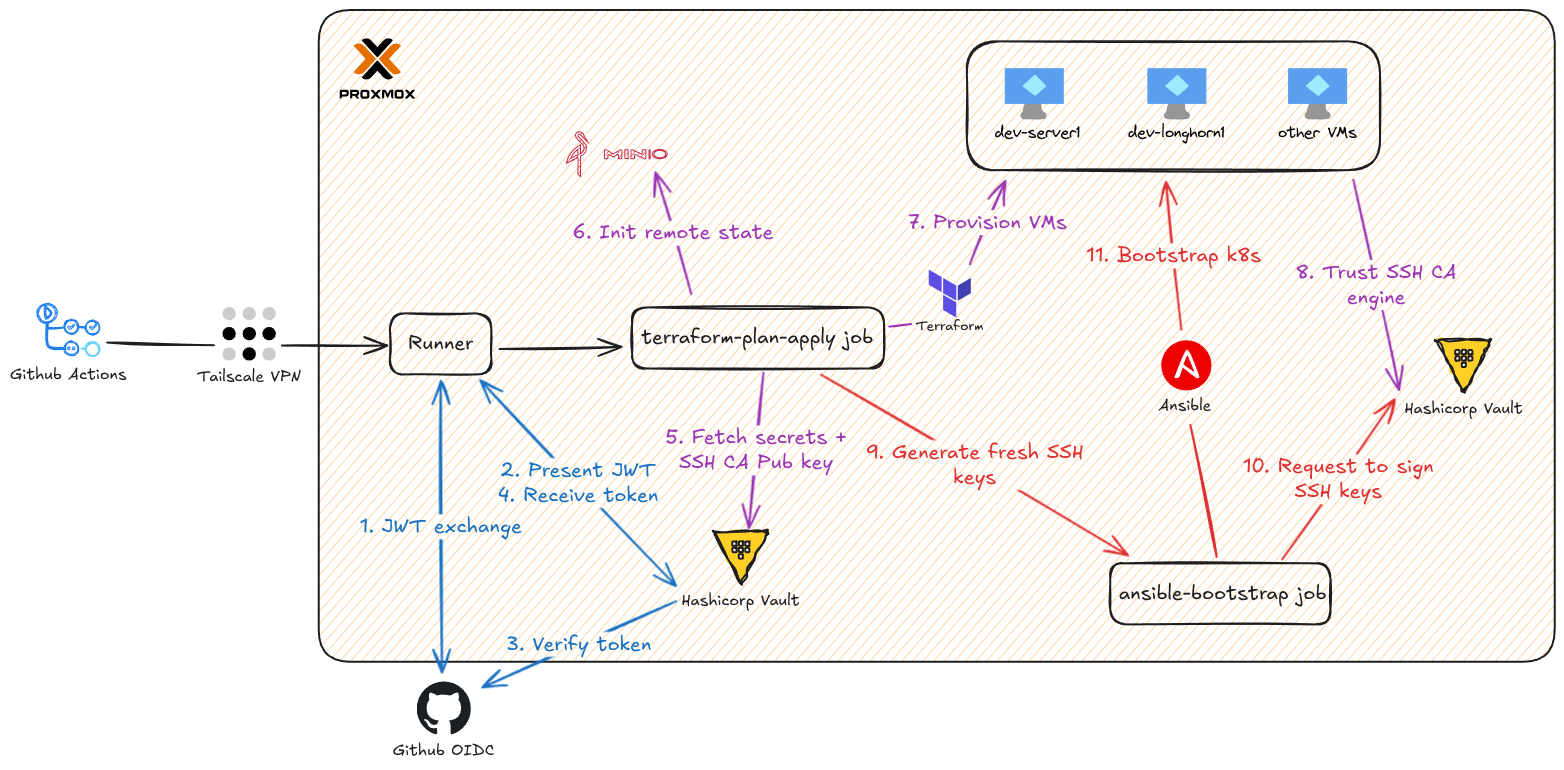
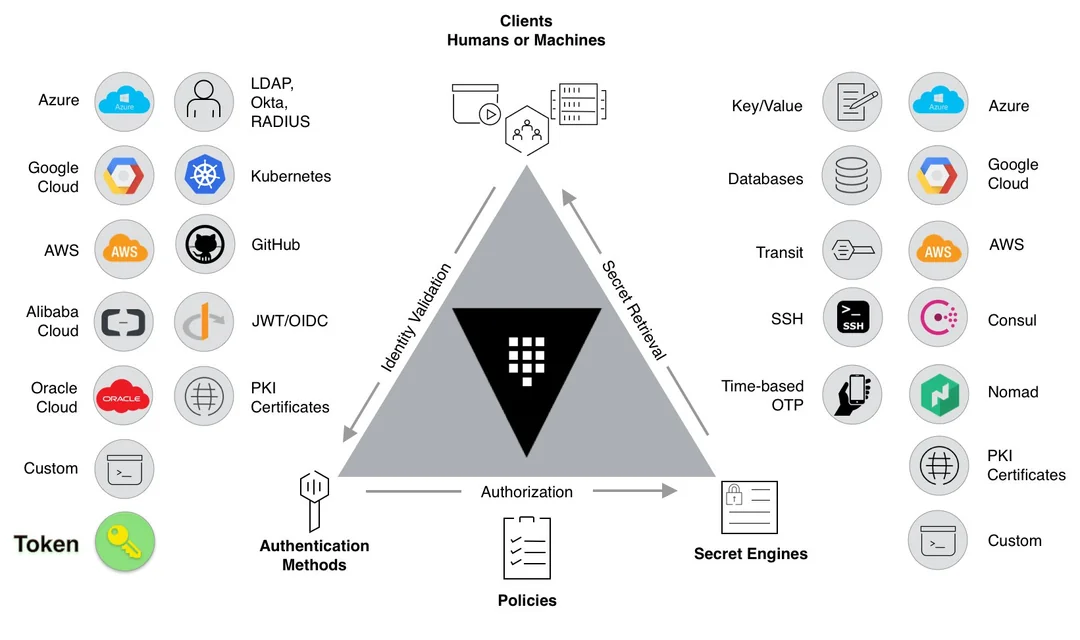
This is Part 4 of the Hashicorp Vault series. In Part 1, we bootstrapped Vault. In Part 2, we built our CI/CD pipeline. In Part 3, we finally killed the static kubeconfig.
This is Part 3 of the Hashicorp Vault series. In Part 1, we bootstrapped Vault. In Part 2, we built the full CI/CD pipeline. Now, we’re solving the final, massive headache: getting secure, dynamic kubectl access.
This is Part 2 of the Hashicorp Vault series. Part 1 covered bootstrapping and configuring HashiCorp Vault (the one-time terraform-admin work) and the design goals for Zero Trust secrets management.
In the last two parts of the On-Premise 101 series, I showed you how to provision and bootstrap a full Kubernetes cluster. Now, I’m tearing part of it down and rebuilding the entire workflow. Why? The project’s goal was always automation, but I hit a wall. The manual steps to set up that automation - like managing secrets and SSH keys - became a huge liability.