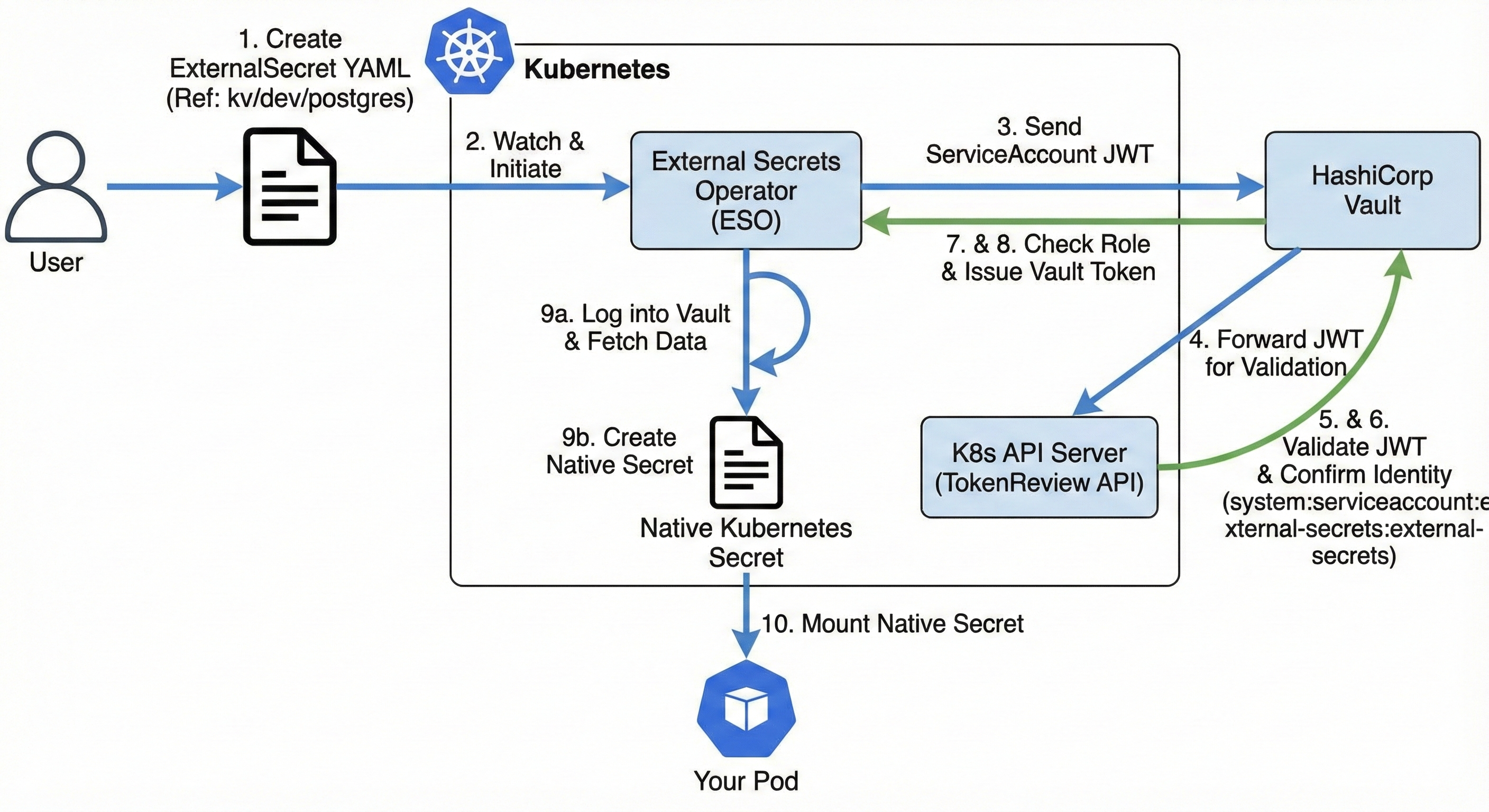
This project automates independent development and production Talos Kubernetes environments on Proxmox using OpenTofu and GitHub Actions, with optional stateless AWS workers connected through KubeSpan. Each cluster runs its own Argo CD for GitOps application management, while Doppler and External Secrets supply credentials and persistent workloads stay on Proxmox.
This project explores distributed Go microservices through a refurbished-goods marketplace, with a server-rendered storefront, catalog search, inventory reservations, and merchant-scoped checkout. It combines gRPC APIs, Kafka and Debezium messaging, a durable checkout saga, and Argo CD deployments on Talos Kubernetes with Istio ambient mTLS and OpenTelemetry observability.
This is Part 4 of the Hashicorp Vault series. In Part 1, we bootstrapped Vault. In Part 2, we built our CI/CD pipeline. In Part 3, we finally killed the static kubeconfig.
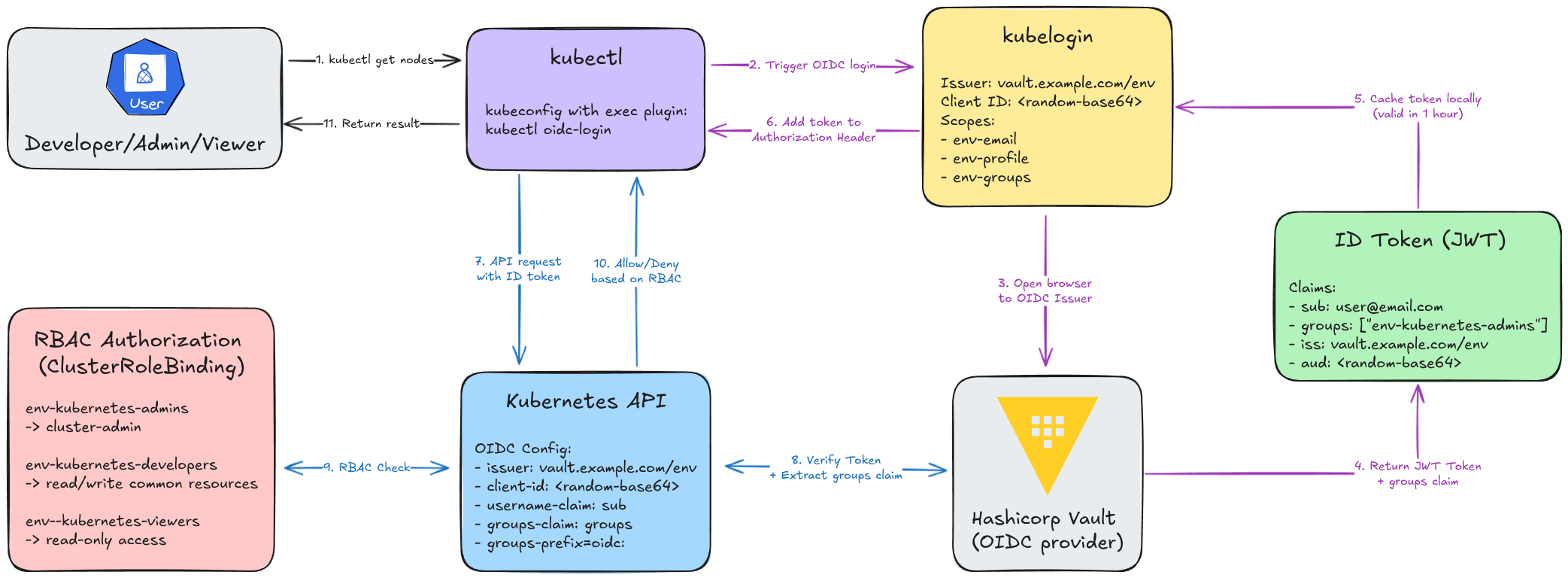
This is Part 3 of the Hashicorp Vault series. In Part 1, we bootstrapped Vault. In Part 2, we built the full CI/CD pipeline. Now, we’re solving the final, massive headache: getting secure, dynamic kubectl access.
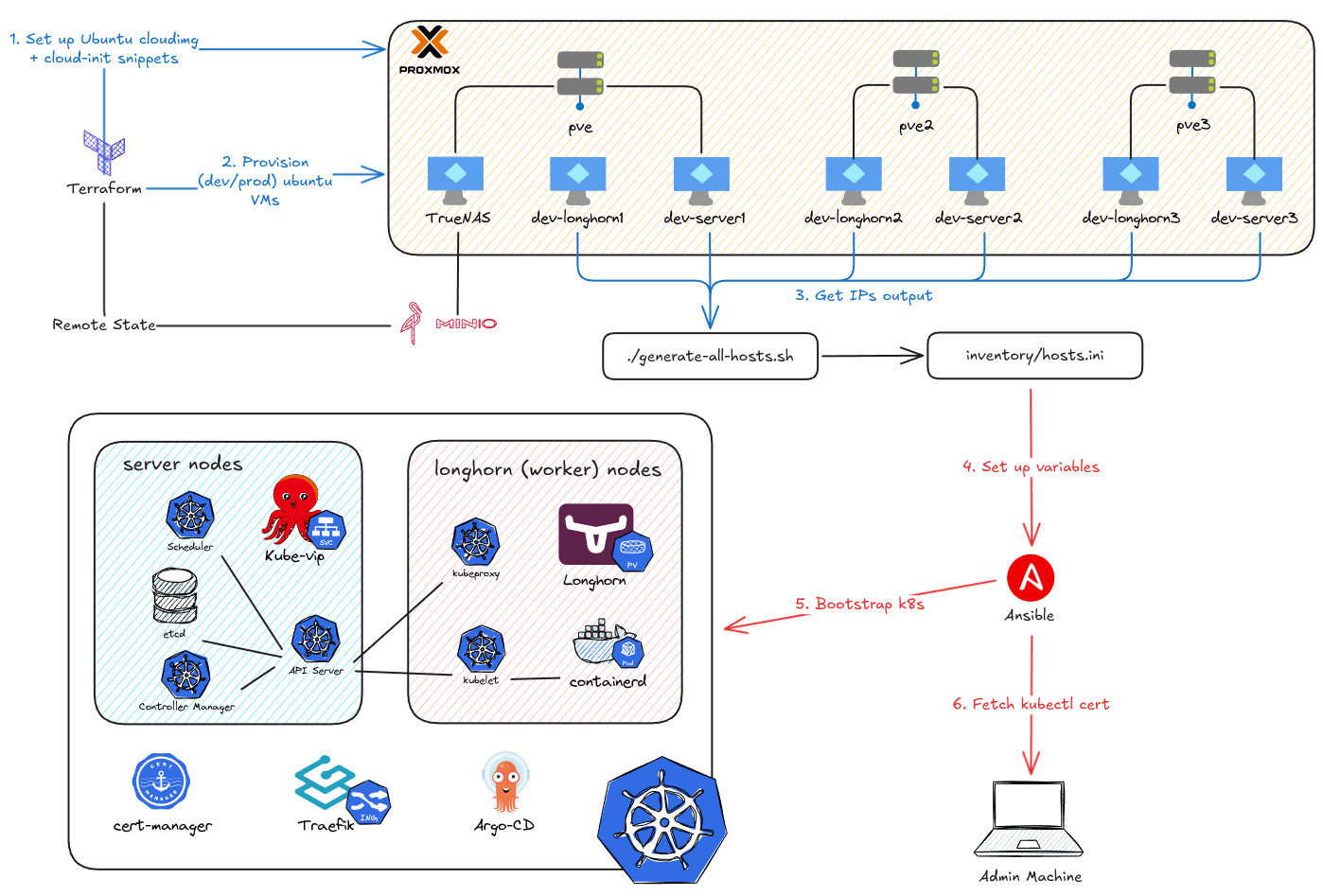
People are often scared to learn Kubernetes because it’s difficult to set up an environment to play around with. Sure, you can use a project like minikube to learn on your own, but running it on your laptop seems limited, and you may not get to experience all the awesome features Kubernetes offers (remember, it was born for high availability). Or, if you have money, you can use a managed Kubernetes cluster from one of the cloud providers. Often, they’ve abstracted away so many things under the hood that you only need to learn kubectl and you’re good to go.
This repository contains a complete end-to-end system for real-time credit card fraud detection, including data analysis notebooks, a machine learning API, and infrastructure-as-code for cloud deployment. The system is designed with a modern, observable, and scalable architecture.
I’m the kind of person who will happily spend 10 hours building an automation script just to save 10 minutes of manual work every day. If that sounds like you, you’re in the right place.